Does your bus drive money to occupied territory?
The average bus passenger doesn’t give it much thought: get on, scan your ticket, get off at your destination. But in some parts of the Netherlands, you may be boarding an EBS bus — a company with a less innocent story behind the scenes.
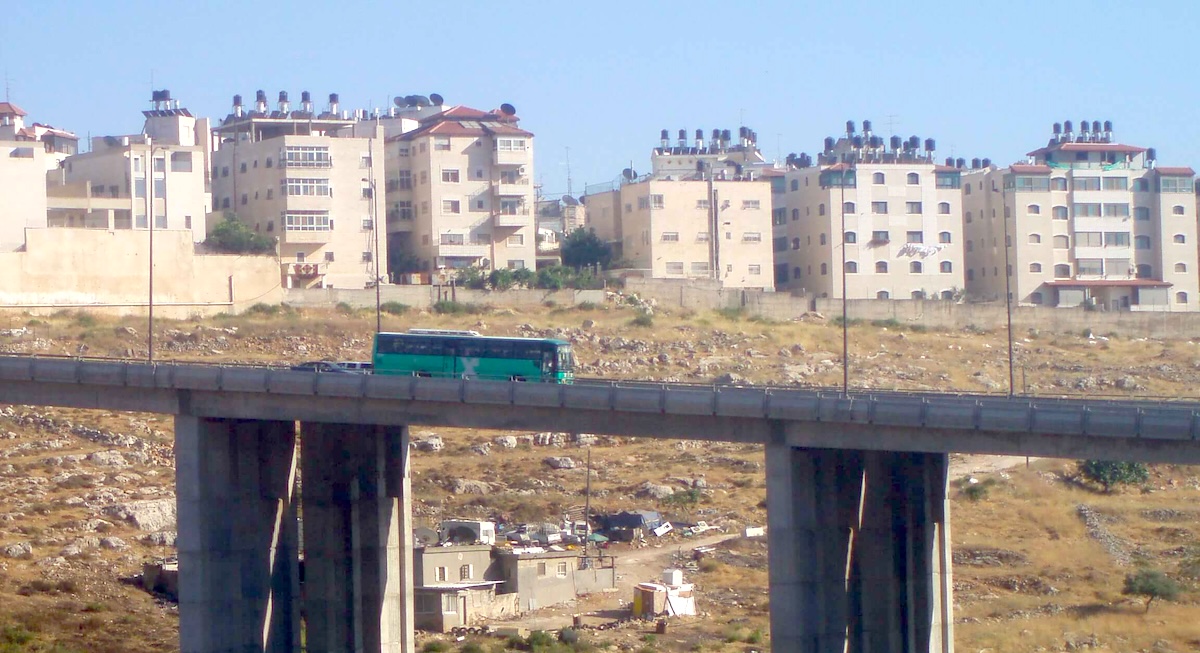
EBS was founded in 2010 as the European branch of the Israeli bus company Egged, to compete for European public transport concessions. And Egged is no ordinary carrier. The company appears on the UN blacklist of businesses involved in the colonization of occupied Palestinian territory. Egged operates buses to and from illegal settlements in the West Bank and in occupied East Jerusalem, on roads that are largely off-limits to Palestinians. It even runs segregated lines: buses that Palestinians simply aren’t allowed to board.
Moreover, the ties between Egged and EBS are anything but loose. Egged is EBS’s sole shareholder. When EBS ran into financial trouble in the Waterland region, its Israeli parent company bailed it out with 30 million euros. So the buses in Amsterdam-Waterland ran for over a year on money that was earned in part from transport in occupied territory. Conversely, profits made in the Netherlands flow back to Israel.
Egged also actively supports the Israeli military: it has “adopted” a combat unit, makes donations to soldiers carrying out operations in Gaza, and earns tens of millions per year transporting uniformed military personnel. The company itself boasts about this on its website.
Organizations such as Human Rights Watch and Amnesty International are clear: the settlement policy in the West Bank is apartheid, and goes hand in hand with land theft, oppression, and human rights violations. Governments and companies have a legal duty not to cooperate with parties contributing to this, even indirectly. The Netherlands has enshrined this in the National Action Plan on Business and Human Rights, which applies to all governments, including the provinces that grant bus concessions.
And yet EBS is simply allowed to bid on tenders.
The passenger who takes the bus because they don’t own a car, or because they care about the environment, ought to be able to trust that their ticket isn’t indirectly financing human rights violations. At the moment, that trust is not warranted.